As labour market demands continue to evolve, employers are looking for more than qualifications on a resume. They need candidates who can demonstrate workplace readiness, adapt quickly, and apply their skills in a real-world environment.
The need has never been greater. More than half of Canadian businesses report employee skill gaps, particularly in technical skills (57%), problem solving (49%), and customer service (35%).
Simulated worksites can help bridge these gaps through practical, workplace-based experience for job seekers.
Building skills through real-world experience
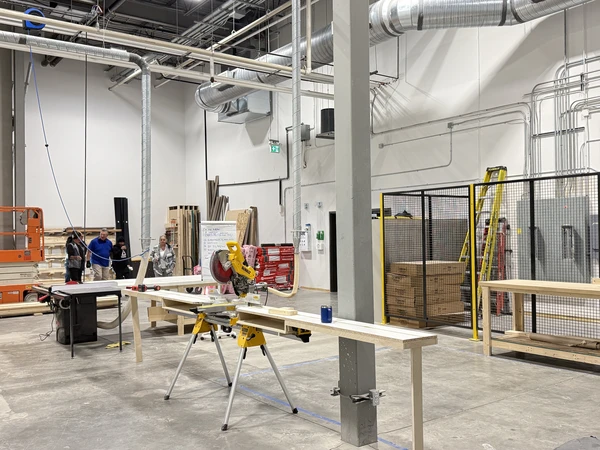
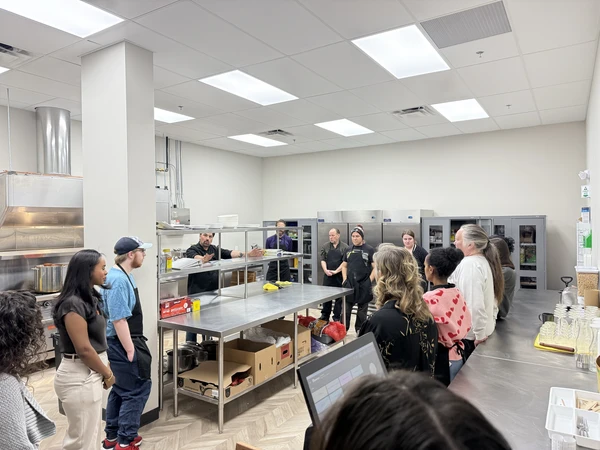
A simulated worksite is an immersive environment that mirrors real workplace conditions, allowing participants to complete job-related tasks, collaborate with others, and develop practical skills in a safe and supportive setting.
This is especially valuable for people with limited work experience. Rather than being defined by what is missing from their resume, job seekers have an opportunity to demonstrate what they can do.
But simulated worksites are most valuable when they are not designed and facilitated by employment service providers alone. Employers have an important role in ensuring the experience reflects the skills, expectations, tools, and situations candidates will encounter on the job.
Bringing learning closer to the workplace
The most effectively simulated worksites are designed around real industry needs where skill gaps were found such as retail, food services, and construction.
For example:
- Customer service simulations involving client interactions, conflict resolution, and workplace communication systems.
- Warehouse and logistics simulations focused on inventory management, order processing, shipping procedures, and workplace safety practices.
- Construction and trades simulations that incorporate project coordination, safety protocols, equipment handling, and site documentation.
By replicating workplace environments, participants gain real-world experience while employers benefit from a talent pool that is better prepared for the realities of the job.
Why employers should pay attention
Employers across industries continue to face hiring challenges, particularly when it comes to finding candidates with the right mix of technical and transferable skills. This experience can support smoother onboarding, shorten learning curves, and improve workforce readiness. It also gives employers greater insight into a candidate’s ability to perform in a professional environment, even when they may have limited formal work experience.
Strengthening employment service delivery
For employment service providers, simulated worksites offer an opportunity to move beyond traditional classroom learning and provide job seekers with practical, experience-based training. They also allow providers to assess participant strengths, identify skill gaps, and offer targeted coaching in real-world scenarios.
Looking ahead
Workforce development methods are most effective when they undergo innovation and new ways are found to bridge the gap between job seekers and employers. While traditional training models remain important, the most impactful workforce development strategies are those that bring both groups closer together around shared goals and expectations.
Simulated worksites help create that connection. When designed by employment service providers in collaboration with employers, they move beyond generic skills training and provide participants with exposure to the specific tasks, workplace behaviours, and competencies required for success in real-world roles.
As skill gaps continue to affect Canadian employers, simulated worksites represent more than a training model. They are a practical workforce development strategy that brings employers, employment service providers, and job seekers closer together, ultimately creating stronger hiring outcomes and more sustainable employment pathways.